
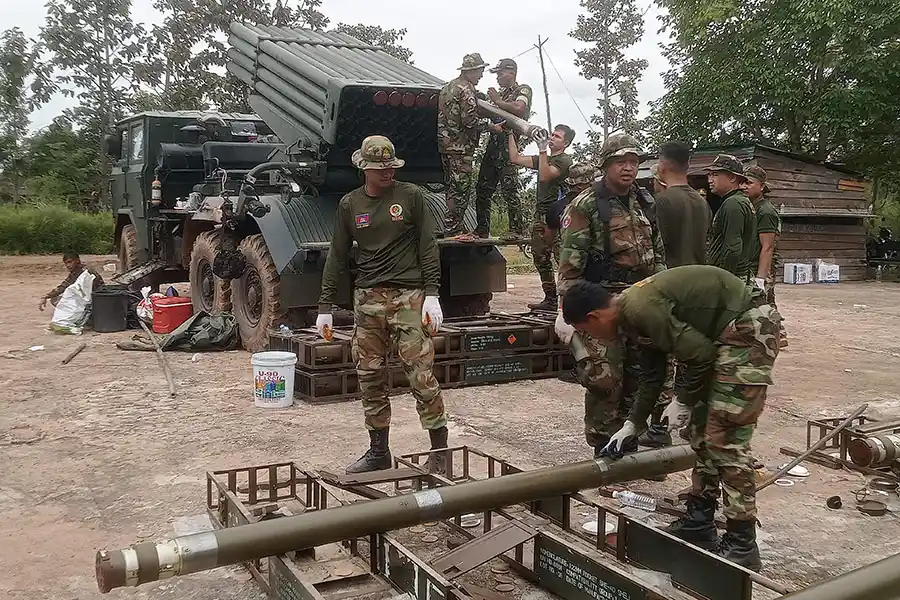
The latest escalation between Thailand and Cambodia has drawn international attention as military clashes erupted along the disputed border. In early December 2025, Thailand deployed airstrikes and ground forces in areas contested for decades, reigniting regional concerns over stability, legal boundaries, and international obligations.
These events underscore the intertwined nature of military strategy, national security, and regulatory responsibilities. The Thai government is navigating a delicate path of asserting sovereignty while adhering to international law and ASEAN commitments.
Thailand Deploys Airstrikes Amid Border Dispute With Cambodia
Thailand initiated precision airstrikes targeting strategic positions in the contested border regions, responding to what officials describe as incursions by Cambodian forces. The conflict centers on historically disputed zones near the Preah Vihear Temple, a site of cultural and political significance.
Key points from the initial engagement:
-
Affected Locations: Preah Vihear Temple vicinity and neighboring border districts.
-
Military Tactics: Airstrikes complemented by armored units and UAV surveillance.
-
Casualties and Damage: Reports indicate injuries on both sides and minor infrastructure damage.
Legal experts emphasize that Thailand’s operations must adhere to international humanitarian law to avoid allegations of disproportionate force or unlawful targeting of civilians.
Thailand’s Legal Obligations in Cross-Border Military Operations
Any military action undertaken by Thailand carries substantial legal responsibilities under domestic and international law. These include:
-
International Humanitarian Law Compliance: Ensuring distinction between combatants and civilians.
-
UN Charter Adherence: Article 2 restricts acts of aggression; Thailand must justify its actions as defensive.
-
ASEAN Diplomatic Protocols: Conflict resolution mechanisms require Thailand to explore negotiation before resorting to military measures.
Failure to comply with these frameworks could expose Thailand to sanctions, international scrutiny, and reputational risks.
Thailand Military Strategy and Regulatory Compliance
From a regulatory standpoint, Thailand’s airstrikes and ground operations follow strict military procedures:
-
Rules of Engagement: Operations must be necessary and proportionate to the threat faced.
-
Command Accountability: Thai military leaders bear legal responsibility for operational decisions.
-
Civilian Protection: Preservation of life, property, and cultural sites, particularly near Preah Vihear, is mandated.
Adhering to these protocols helps Thailand mitigate both domestic and international legal consequences.
Thailand-Cambodia Diplomatic Initiatives During Conflict
Despite ongoing military activity, Thailand has pursued diplomatic channels to reduce tensions. Bilateral meetings, ASEAN-mediated discussions, and multilateral UN appeals are part of this strategy.
-
Legal Oversight: Any agreement must respect existing treaties, including historical boundary arrangements.
-
Enforcement Mechanisms: Ceasefires and peace deals require legally binding verification to ensure compliance by both nations.
These diplomatic efforts demonstrate Thailand’s commitment to balancing military action with international legal obligations.
Thailand Border Clashes: Economic and Regional Impacts
The conflict between Thailand and Cambodia extends beyond military concerns, affecting the economy and regional stability:
-
Trade Disruption: Cross-border commerce is temporarily halted.
-
Tourism Risks: Cultural landmarks like Preah Vihear Temple face reduced tourism and potential damage.
-
Investment Considerations: Heightened regional risk can influence foreign investment and regional security assessments.
Policymakers and investors closely monitor these developments for both economic and strategic implications.
Thailand International Accountability and Oversight
Thailand’s actions are subject to scrutiny by international bodies to ensure compliance with global norms:
-
UN Monitoring: Observers may be deployed to verify adherence to humanitarian law.
-
ASEAN Mediation: Regional mechanisms aim to facilitate diplomatic resolution while respecting Thailand’s sovereignty.
-
Legal Challenges: NGOs or civilian groups could pursue international legal avenues if rights violations are documented.
Transparency in military operations is critical to maintain legitimacy on the international stage.
Thailand’s Strategic Path Forward
The ongoing tensions highlight Thailand’s need for a balanced approach combining security, legal compliance, and diplomacy:
-
Enhanced Border Surveillance: Use intelligence-sharing and monitoring to prevent future clashes.
-
Military Compliance Training: Ensure personnel are fully versed in international law and proportional use-of-force principles.
-
Proactive Negotiations: Engage Cambodia in structured talks to resolve disputes peacefully.
Following these measures allows Thailand to assert sovereignty while minimizing legal and political risks.
FAQ
What prompted Thailand to launch airstrikes along the Cambodia border?
Disputed territorial claims near the Preah Vihear Temple sparked military clashes, prompting Thailand to deploy airstrikes in response to perceived Cambodian incursions.
What international laws govern Thailand’s military actions?
Thailand must comply with international humanitarian law, UN Charter restrictions on aggression, and ASEAN conflict resolution protocols, ensuring civilian protection and proportional response.
How does domestic law regulate Thailand’s military operations?
Thai military law mandates adherence to rules of engagement, commander accountability, and protection of civilians and cultural heritage sites. Breaches can result in criminal and civil liability.
What are the potential consequences if Thailand violates international law?
Violations could lead to UN sanctions, diplomatic condemnation, or legal challenges from regional and international actors. Transparency and observer involvement are critical to mitigating such risks.
How could the border conflict impact Thailand’s economy?
Trade disruptions, reduced tourism, and investor caution are immediate consequences. Areas near historical and cultural sites face heightened risk of damage, affecting local and national economic interests.